Small Things, Full Bucket
The quiet ways creativity refills itself when we notice, connect, and allow space.

I took the opportunity, out of what can sometimes feel like a daily routine (and honestly, never quite enough hours in the day), to head to the London Design Festival. On the surface, the purpose was to network, to meet people, make new connections, and strengthen existing ones.
But what I hadn’t anticipated was the quiet realization of how much I needed that shift.
As someone who spends a lot of time working on my own, I’d almost forgotten the power of stepping out of that environment and putting myself back into a social, creative setting. The energy it brings, especially for those of us who live and work in creative spaces, is something we can’t afford to overlook. Creativity needs room, but it also needs people, those conversations with others who energize you, challenge your perspective, and push you a little further than you might go on your own. That kind of connection is as important a refill as any exhibition or gallery visit.
I came home with one thought that has stayed with me: the bucket doesn’t refill on its own. You have to notice when it’s running dry, and you have to be intentional about filling it again.
And here’s the part that I needed reminding, filling the creative bucket doesn’t come from one big, dramatic gesture. More often, it’s the small, almost ordinary moments that quietly add up. A line in a poem. A colour that catches your eye. The stillness of a tree. The way someone talks about their work with conviction. A conversation that leaves you buzzing with possibility. These are the sparks that are needed, drop by drop, until you look up and realize you feel full again.
That’s what I was reminded of from my trip to London.
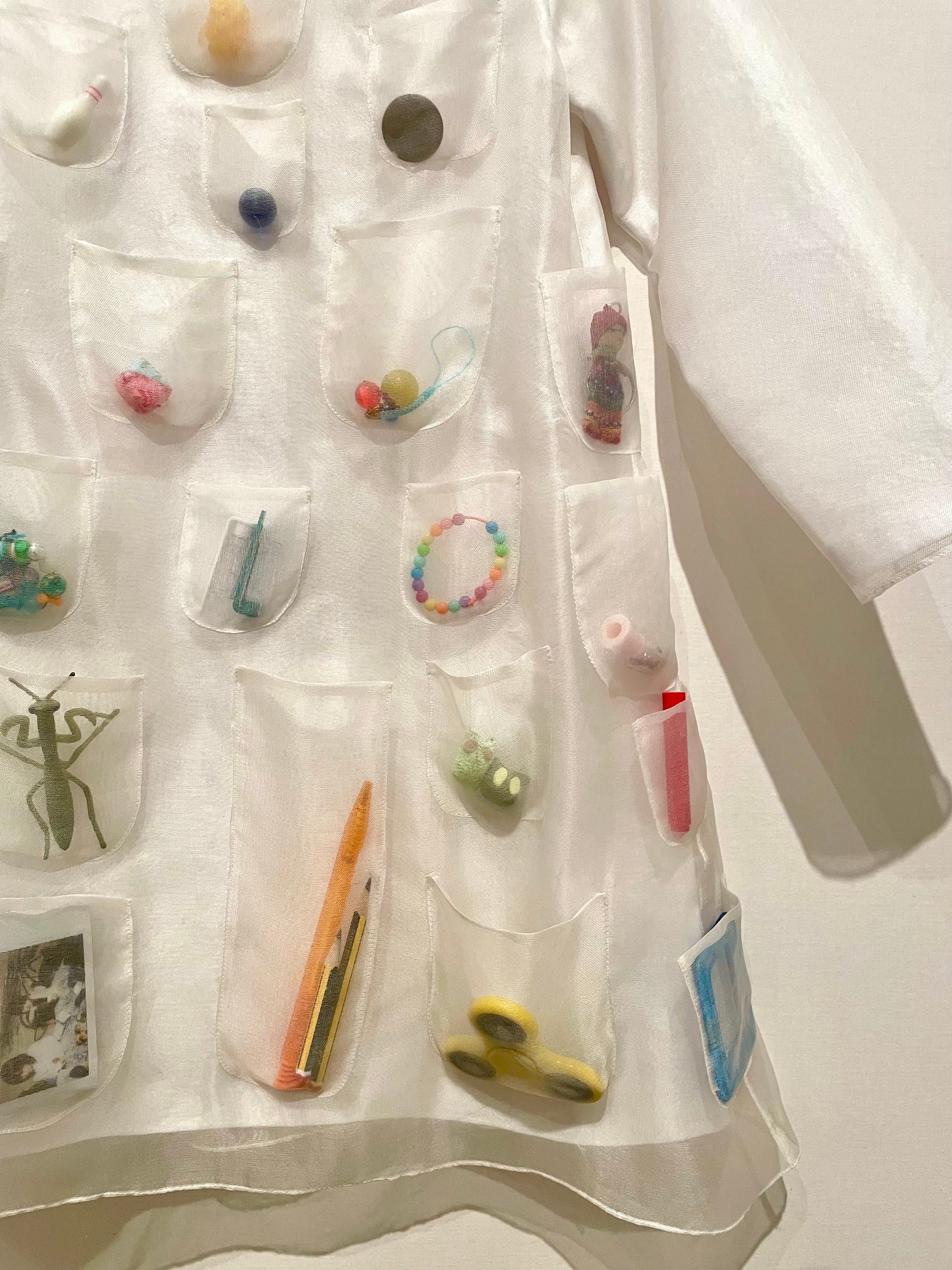
At Tate Modern, it was the delicacy of Do Ho Suh’s fabric structures, translucent houses sewn with such care. They carried memory, identity, belonging, and reminded me how creativity can be both fragile and powerful.
At 8 Holland Street, it was the timeless craftsmanship of mid-century design, objects that carried not just function, but a kind of enduring vision. It made me pause and consider what lasts, what truly holds value in design and in life.
And at Kew Gardens, it was the sensory immersion of the glasshouse, the heat, the fragrance, the layers of green. The Of the Oak exhibition added a contemplative layer, with words reminding us of the timescales trees hold: centuries in their core, yet each spring, new leaves. That image has stayed with me, because it feels like creativity too, a deep foundation built over years of practice, and the fresh shoots that surprise you season after season.
By the end of the week, I felt lighter, recharged, and ready to pour out again. My bucket was full, not from a single breakthrough, but from noticing, gathering, connecting, and allowing space for small things to collect.
Sometimes the most important thing we can do for our creativity is to step outside of routine, spend time with people who lift us higher, notice the details, and let them fill us.
Small things. Full bucket.